
2025 Sodium Sulfate Export Process and Key Considerations I. Sodium Sulfate Export Market Overview: Surging Global Demand As a state-supported foundational chemical raw material, sodium sulfate (Na?S
QYJSSA/May 11,2025
Sodium Sulfate Export Market Overview: Surging Global Demand
As a state-supported foundational chemical raw material, sodium sulfate (Na?SO?) plays an indispensable role in industries such as papermaking, textiles, printing/dyeing, and glass manufacturing due to its excellent dye-assisting, ink-removing, and whitening properties. According to the National Chemical Industry Federation’s Q1 2025 report, China’s annual sodium sulfate production has exceeded 2.1 million tons, marking a 6.2% year-on-year growth, reflecting synchronized growth in domestic and international demand.
Driven by global manufacturing recovery and the deepening Belt and Road Initiative, international demand for high-quality sodium sulfate continues to expand. Southeast Asia, South Asia, and the Middle East show particularly strong demand for applications in glass melting, pulp bleaching, and water treatment systems. For sodium sulfate manufacturers, mastering export procedures and market dynamics is critical to securing a competitive edge in overseas markets.
Export Environment Updates: Tariff Adjustments & Green Standards
Since 2025, global trade dynamics have evolved significantly. WTO reports indicate that U.S.-China trade tensions and related technical barriers have led to temporary tariff increases on chemical raw materials like sodium sulfate in certain regions. For example, technical barriers in the U.S. and EU have risen by 12%. Meanwhile, the Regional Comprehensive Economic Partnership (RCEP) has reduced tariffs on Chinese chemical exports, including sodium sulfate, by 3–5% in ASEAN countries.
For suppliers like Sichuan Hongya Qingyijiang Sodium Sulphate Co., Ltd., leveraging Free Trade Agreement (FTA) benefits to optimize export routes and pricing strategies is essential. Additionally, global green transition trends—such as the EU’s REACH regulation and U.S. Green Chemistry Standards—require sodium sulfate exporters to enhance environmental compliance. Promoting eco-friendly sodium sulfate products has become imperative.
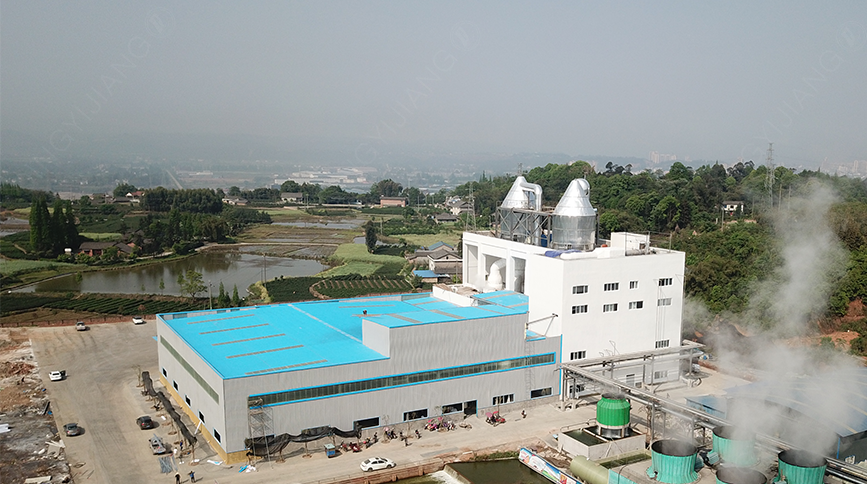
Figure 1: New production line factory for coal to electricity conversion
Export Process Breakdown: Standardized Operations Ensure Efficiency
Amid complex trade conditions, standardized export procedures are vital for efficiency and risk mitigation. Qingyijiang Sodium Sulphate Co., a seasoned exporter, has established a robust process:
Market Research: Analyze target markets’ import standards and preferences (e.g., low-impurity, eco-friendly grades in Southeast Asia).
Contract Negotiation: Clarify trade terms (FOB, CIF, DDP), delivery timelines, payment terms, and quality dispute mechanisms.
Preparation:Ensure ISO 9001 compliance and provide third-party certifications (SGS/BV).
Secure export licenses, inspection certificates, and Certificates of Origin (CO).
Logistics: Partner with reputable shipping lines, avoid port congestion, and guarantee on-time delivery.
Customs Clearance: Assist clients with documentation to expedite clearance.
Post-Sale Support: Track shipments, address feedback, and strengthen long-term partnerships.
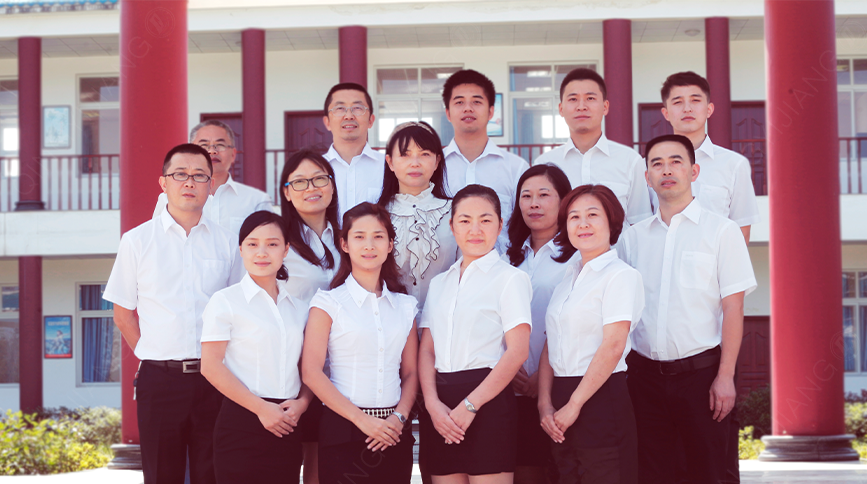
Figure 2: Qingyijiang Sodium Sulphate Co. Professional Management Team
Trends & Opportunities: Green Transition and Market Expansion
The rise in demand for eco-friendly raw materials positions Qingyijiang Sodium Sulphate Co. to lead in sustainability. Aligned with China’s "Dual Carbon" goals, the company has invested in low-energy, low-emission production technologies to meet global environmental standards.
While tariff barriers pose challenges, they also create opportunities for agile exporters. By diversifying into high-value products (e.g., customized particle-size grades, low-sodium variants) and emerging markets (Latin America, Africa), sodium sulfate suppliers can achieve broader global reach.
ICIS predicts the global sodium sulfate market will grow at a 4.8% CAGR, reaching $14.5 billion by 2030, driven by eco-friendly and specialty products.
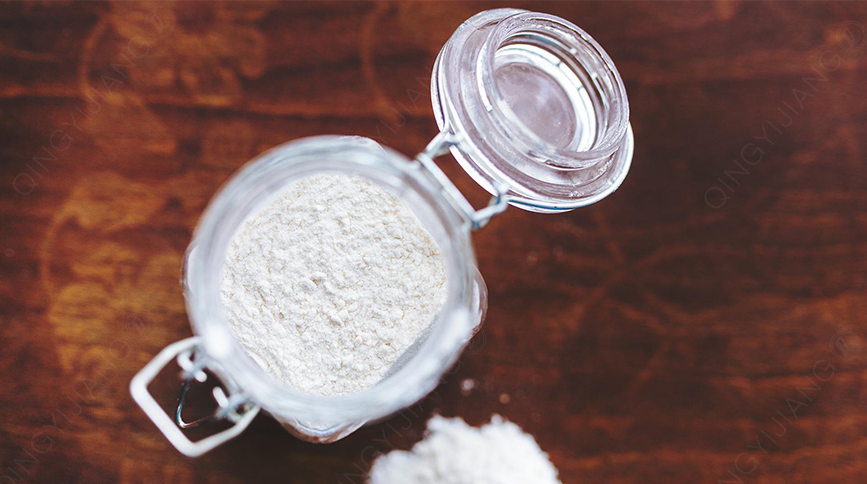
Figure 3: Qingyijiang Sodium Sulphate Co. Product Portfoli
Brand Strength: Qingyijiang Sodium Sulphate Co.’s Global Footprint
As a top-tier exporter, Sichuan Hongya Qingyijiang Sodium Sulphate Co., Ltd. operates a 1-million-ton annual production base, serving over 20 countries across Southeast Asia, the Middle East, and South America. Its internationally certified products are renowned for quality and reliability.
The company is committed to advancing green supply chains under its "Qingyijiang" brand, aiming to become a globally recognized sustainable chemical supplier.
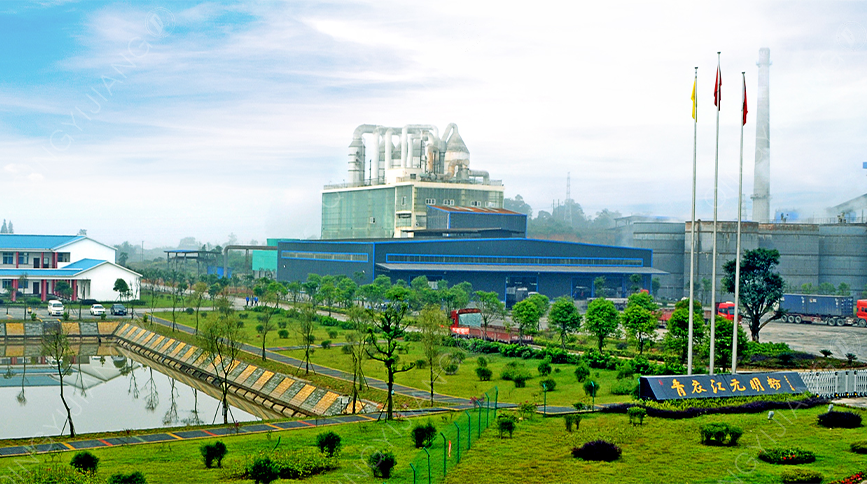
Figure 4: Panoramic View of Qingyijiang Sodium Sulphate Co. Production Facility
Contact
With over 20 years of expertise in sodium sulfate innovation and sustainable development, Qingyijiang Sodium Sulphate Co.serves 30+ countries. For green production solutions or digital supply chain services, visit m.yjbcxb.cn or contact our business team for tailored support.